Tuesday, December 21, 2021

How To Check Port Vulnerability

Aport scanis a method for determining which ports on a network are open. As ports on a computer are the place where information is sent and received, port scanning is analogous to knocking on doors to see if someone is home. It is also valuable for testing network security and the strength of the system's firewall. Due to this functionality, it is also a popular reconnaissance tool for attackers seeking a weak point of access to break into a computer. The attacker sends a SYN request to the target port over TCP.

how to check port vulnerability - Aport scanis a method for determining which ports on a network are open

The scanner then terminates the session without establishing a connection. If the port is closed, it responds with an RST packet, indicating that it cannot be accessed. If the port is located behind a firewall, the request does not generate a response at all. This is the most common scanning method because it does not require an established connection and is not logged by most simple event-tracking tools.

how to check port vulnerability - As ports on a computer are the place where information is sent and received

On the other hand, SYN scanning requires superuser privileges on the device that sends the requests and which might not belong to the attacker. This tool can test open ports, but it can also conduct a full recon of your network, assisting you in the identification of any potential security risks. An open port scanner tool or open port check tool can only afford you a small, limited picture of your network, system, and processes. That's why Engineer's Toolset also features an IP network browser. With the port scanner, this utility will sweep IP ranges, identifying devices, UDP and TCP services.
how to check port vulnerability - It is also valuable for testing network security and the strength of the systems firewall

This will afford you visibility of what services are reachable and which devices are connected to the network. A port scanner is an application designed to probe a server or host for open ports. Such an application may be used by administrators to verify security policies of their networks and by attackers to identify network services running on a host and exploit vulnerabilities. Also known as filtered or dropped, this involves neither acknowledging the request nor sending a reply. No response indicates to the port scanner that a firewall likely filtered the request packet, that the port is blocked or that there is no port there. For example, if a port is blocked or in stealth mode, a firewall will not respond to the port scanner.

how to check port vulnerability - Due to this functionality

Interestingly, blocked ports violate TCP/IP rules of conduct, and therefore, a firewall has to suppress the computer's closed port replies. Security teams may even find that the corporate firewall has not blocked all the network ports. For example, if port 113, used by Identification Protocol, is completely blocked, connections to some remote internet servers, such as Internet Relay Chat, may be delayed or denied altogether. For this reason, many firewall rules set port 113 to closed instead of blocking it completely.

how to check port vulnerability - The attacker sends a SYN request to the target port over TCP

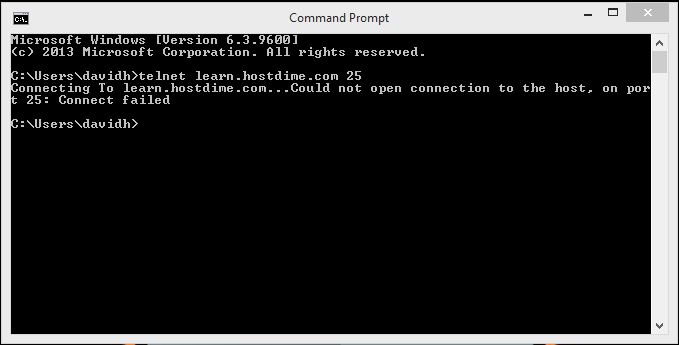
A port scan is a series of messages sent by someone to learn which computer network services a given computer provides. Port scanners are applications that identify which ports and services are open or closed on an internet-connected device. A port scanner can send a connection request to the target computer on all 65,536 ports and record which ports respond and how. The types of responses received from the ports indicate whether they are in use or not.
how to check port vulnerability - The scanner then terminates the session without establishing a connection

The website pentest-tools.com offers two port scanners based on nmap. The TCP scan claims to scan 100 common ports but in my testing it only scanned 21 ports. The UDP scan does not say what it does and in my testing, I have never been able to get it to work. The big issue for me has been that it Pings before it scans and any router I configure blocks Pings. There is supposed to be a scan that does not require Ping, but it does not work. This is a limited free demo for a paid service that costs at least $55/month.

how to find vulnerable ports

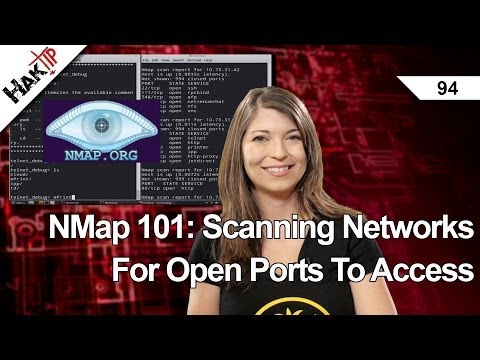
Nmap is a utility for network exploration or security auditing. It supports ping scanning , many port scanning techniques, version detection , and TCP/IP fingerprinting . Nmap also offers flexible target and port specification, decoy/stealth scanning, sunRPC scanning, and more. Most Unix and Windows platforms are supported in both GUI and commandline modes. Several popular handheld devices are also supported, including the Sharp Zaurus and the iPAQ. In addition, cybersecurity professionals can use the fact that hackers usually probe networks for vulnerabilities using port scan attacks to set their networks up to slow attackers down.

how to check port vulnerability - If the port is located behind a firewall

By using firewalls to redirect open ports to "honeypots" or empty hosts, you can turn a port scan that would take hackers just a few seconds in to a7-hour job. Capitalizing on the frequency of port scans by using deception defenses that send hackers into "bait" traps can be an effective technique that requires relatively little investment. All forms of port scanning rely on the assumption that the targeted host is compliant with RFC Transmission Control Protocol. This is especially true for less common scan techniques that are OS-dependent . The TCP/IP stack fingerprinting method also relies on these types of different network responses from a specific stimulus to guess the type of the operating system the host is running. Most security appliances can link ongoing repeated scan attempts from the same source whether they target a single host or multiple hosts.

how to check port vulnerability - This is the most common scanning method because it does not require an established connection and is not logged by most simple event-tracking tools

To be effective, port scan attacks may need to probe many different ports on many different systems over a relatively short time period, which makes the attempts easier to detect. To counter this, some attackers may find it preferable to probe for open ports over a much longer time frame, in which case it becomes more difficult to detect a port scan attack. The downside for the attacker, however, is that it may take hours, days or longer to find a vulnerable system. These cybercriminals often use port scanning as a preliminary step when targeting networks. They use the port scan to scope out the security levels of various organizations and determine who has a strong firewall and who may have a vulnerable server or network.

how to check port vulnerability - On the other hand

In fact, the host discovery element in network scanning is often the first step used by attackers before they execute an attack. The goal behind port and network scanning is to identify the organization of IP addresses, hosts, and ports to properly determine open or vulnerable server locations and diagnose security levels. Both network and port scanning can reveal the presence of security measures in place such as a firewall between the server and the user's device. It can detect the presence of security devices like firewalls etc.

how to check port vulnerability - This tool can test open ports

Generally, the port scanning process makes use of TCP and UDP protocols. Rather than using the operating system's network functions, the port scanner generates raw IP packets itself, and monitors for responses. This scan type is also known as "half-open scanning", because it never actually opens a full TCP connection.

how to check port vulnerability - An open port scanner tool or open port check tool can only afford you a small

If the target port is open, it will respond with a SYN-ACK packet. The scanner host responds with an RST packet, closing the connection before the handshake is completed. If the port is closed but unfiltered, the target will instantly respond with an RST packet. Adversaries may attempt to get a listing of services running on remote hosts, including those that may be vulnerable to remote software exploitation.

how to check port vulnerability - Thats why Engineers Toolset also features an IP network browser

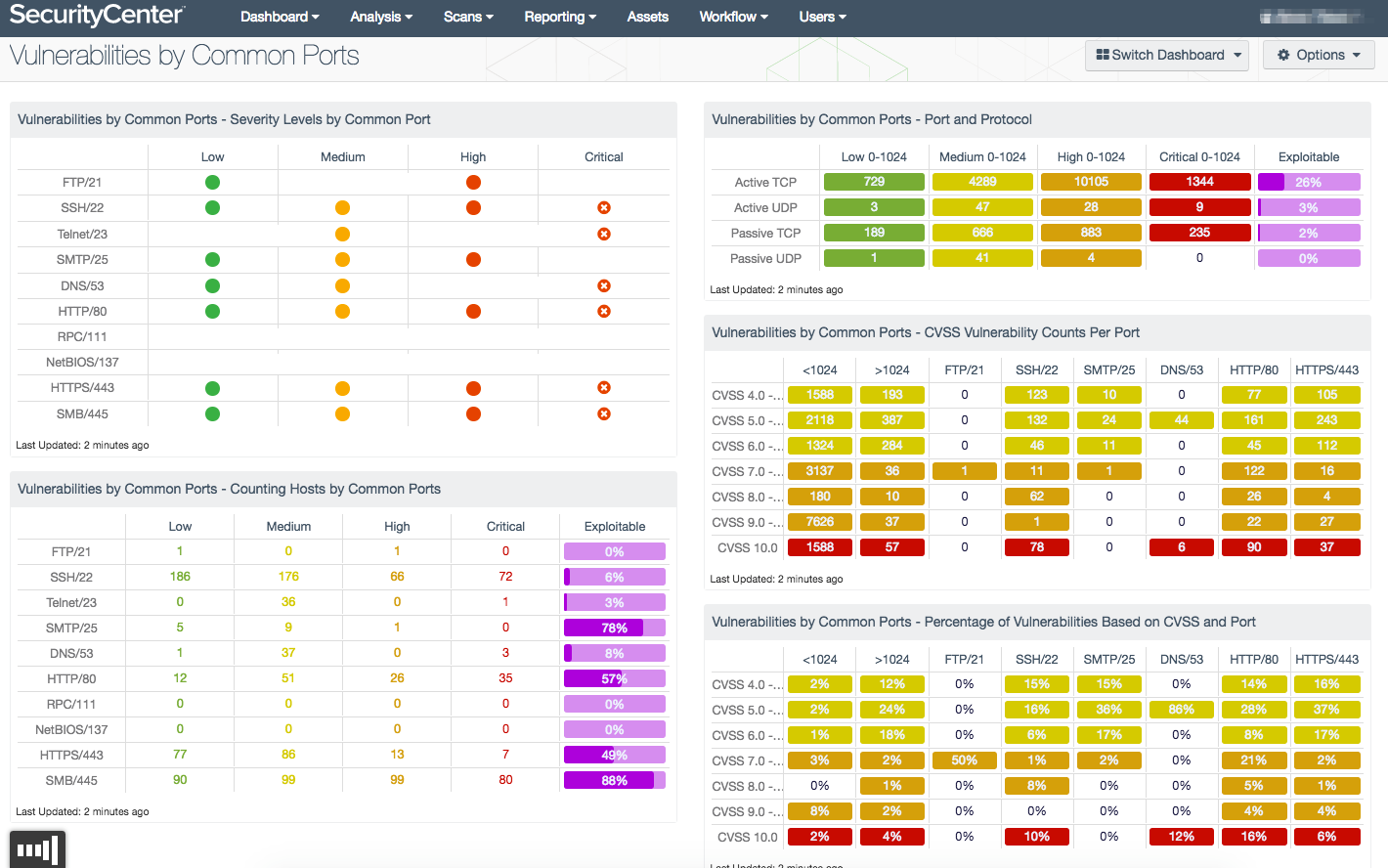
Methods to acquire this information include port scans and vulnerability scans using tools that are brought onto a system. It is impossible to prevent the act of port scanning; anyone can select an IP address and scan it for open ports. To properly protect an enterprise network, security teams should find out what attackers would discover during a port scan of their network by running their own scan. Be aware, however, that security assessments and pen tests against many cloud hosting services, such as AWS, need approval prior to scanning. Port scanning is one of the most popular information-gathering methods used by malicious actors. Part of the reconnaissance process, an attacker can use the data collected by a port scan to find out what services a device is running and to get an idea of the OS being used.

how to check port vulnerability - With the port scanner

This data can then be used to flag vulnerable systems with the intention of exploiting them to gain access to the network. When the target asset is on a local system segment , the scan occurs more rapidly because the asset will respond that ports are closed. The difficulty occurs when the device is behind a firewall, which consumes packets so that they do not return to the Scan Engine.

how to check port vulnerability - This will afford you visibility of what services are reachable and which devices are connected to the network

In this case the application will wait the maximum time between port scans. TCP port scanning can exceed five hours, especially if it includes full-port scans of 65K ports. To reduce scan time, do not run full UDP port scans unless it is necessary. UDP port scanning generally takes longer than TCP port scanning because UDP is a "connectionless" protocol. In a UDP scan, the application interprets non-response from the asset as an indication that a port is open or filtered, which slows the process. When configured to perform UDP scanning, the application matches the packet exchange pace of the target asset.

how to check port vulnerability - A port scanner is an application designed to probe a server or host for open ports

Oracle Solaris only responds to 2 UDP packet failures per second as a rate limiting feature, so this scanning in this environment can be very slow in some cases. If Nmap receives an ICMP unreachable error it will report the port as filtered. These advanced port scanning options are stealthy and may bypass firewalls and other security controls.

how to check port vulnerability - Such an application may be used by administrators to verify security policies of their networks and by attackers to identify network services running on a host and exploit vulnerabilities

However, most host- and network-based intrusion detection systems will detect this type of scan activity. Keep in mind that OSes that don't follow the TCP RFC may send misleading responses. Is used to determine what ports a system may be listening on. This will help an attacker to determine what services may be running on the system.

how to check port vulnerability - Also known as filtered or dropped

Some port scanners scan through ports in numeric order; some use a random order. There are many different methods used for port scanning, including SYN scanning, ACK scanning, and FIN scanning. Businesses can also use the port scanning technique to send packets to specific ports and analyze responses for any potential vulnerability. They can then use tools like IP scanning, network mapper , and Netcat to ensure their network and systems are secure.
how to check port vulnerability - No response indicates to the port scanner that a firewall likely filtered the request packet

Use of vulnerability scanner tools, like AVDS, are standard practice for the discovery of this vulnerability. The primary failure of VA in finding this vulnerability is related to setting the proper scope and frequency of network scans. It is vital that the broadest range of hosts possible are scanned and that scanning is done frequently. Your existing port scanner solution or set of test tools should make this not just possible, but easy and affordable. By sending a specially-crafted SNMP SetRequest PDU sent to UDP port 16, a remote attacker could exploit this vulnerability to cause the application to crash.
how to check port vulnerability - For example

As port scanning is an older technique, it requires security changes and up-to-date threat intelligence because protocols and security tools are evolving daily. Some firewalls, on the other hand, now use "adaptive behavior," meaning they'll block open and closed ports if a suspect IP address is probing them. These firewalls can also be configured to alert admins if they detect connection requests across many ports from only one host.

how to check port vulnerability - Interestingly

However, even adaptive firewalls aren't a perfect defense against port scans, as hackers can conduct scans in "strobe" or "stealth" mode. Strobe mode means that they scan a small number of ports at a time, while stealth mode means they can scan the ports over a longer period. These tactics reduce the chance that the firewall will detect the scan or trigger an alert. ManageEngine OpUtils' port scanner helps to secure the network by scanning and blocking ports running unauthorized services. It is a web-based, cross platform tool that runs on both Windows and Linux. OpUtils also offers IP address management and switch port mapping.

how to check port vulnerability - Security teams may even find that the corporate firewall has not blocked all the network ports

Scans that are developed for the sender to go undetected by a receiving system's log are known as stealth scans and are of particular interest to attackers. Despite its popularity in this area, port scanning is a valuable tool for fingerprinting a network and for a penetration tester to assess the strength of network security. An alternative approach is to send application-specific UDP packets, hoping to generate an application layer response. For example, sending a DNS query to port 53 will result in a response, if a DNS server is present. This method is much more reliable at identifying open ports. However, it is limited to scanning ports for which an application specific probe packet is available.

how to check port vulnerability - For example

Some tools (e.g., nmap) generally have probes for less than 20 UDP services, while some commercial tools have as many as 70. In some cases, a service may be listening on the port, but configured not to respond to the particular probe packet. Normal, benign system and network events from legitimate remote service scanning may be uncommon, depending on the environment and how they are used.

how to check port vulnerability - For this reason

Legitimate open port and vulnerability scanning may be conducted within the environment and will need to be deconflicted with any detection capabilities developed. Network intrusion detection systems can also be used to identify scanning activity. Monitor for process use of the networks and inspect intra-network flows to detect port scans. An appliance performing a high level of logging can cause a DoS situation.
how to check port vulnerability - A port scan is a series of messages sent by someone to learn which computer network services a given computer provides

A strained network infrastructure and exhausted file system resources are known problems with debug-level logging (i.e., logging everything). When a port scan is performed, the number of connections to a device can range from 1,500/3,000 ports connection attempts up to 65,535/131,070 ports connection attempts. The most common type of scan is a SYN scan , named for the TCP SYN flag, which appears in the TCP connection sequence or handshake. This type of scan begins by sending a SYN packet to a destination port. The target receives the SYN packet and responds with a SYN/ACK response if the port is open or an RST if the port is closed.

how to check port vulnerability - Port scanners are applications that identify which ports and services are open or closed on an internet-connected device

This is typical behavior of most scans; a packet is sent, the return is analyzed, and a determination is made about the state of the system or port. SYN scans are relatively fast and relatively stealthy, because a full handshake is not made. Because the TCP handshake did not complete, the service on the target does not see a full connection and will usually not log. A port scanner such as Nmap is capable of a wider variety of TCP scans that are harder to detect.

how to check port vulnerability - A port scanner can send a connection request to the target computer on all 65

Nmap allows an option for a TCP SYN stealth scan in which the third message is not an ACK but a FIN that forces the TCP connection to be closed before fully opening. This half-open connection is not logged at the target, but may be noticed by routers or firewalls that record the original SYN packet. All networks are secured by one firewall on the perimeter of the network, and this firewall is configured to permit HTTP and SMTP traffic to pass through. Other application traffic is forced to use a secured tunnel to pass through the network.
how to check port vulnerability - The types of responses received from the ports indicate whether they are in use or not

Of course, the perimeter firewall is configured to monitor the traffic, and a log is kept for analysis. Internal network is built using Ethernet segments to reflect the infrastructure of the organization. IP network segments are then superimposed on the Ethernet segments.

how to check port vulnerability - The website pentest-tools

Each IP network segment is secured from each other by a firewall. Each of the IP segments is connected to the layer-3 switch, thus further protecting each IP segment from an external attack. The IP traffics from the layer-3 switch are directed to pass through a Demilitarized ZONE before it enters the perimeter router. The nodes in the DMZ are DNS, SMTP, and HTTP servers, which are permitted for both inbound and outbound traffic. The attacker would scan the ports on the perimeter firewall and look for open ports on the firewall.
how to check port vulnerability - The TCP scan claims to scan 100 common ports but in my testing it only scanned 21 ports

Tuesday, October 12, 2021

What Is The Difference Between Dealer Cost And Msrp

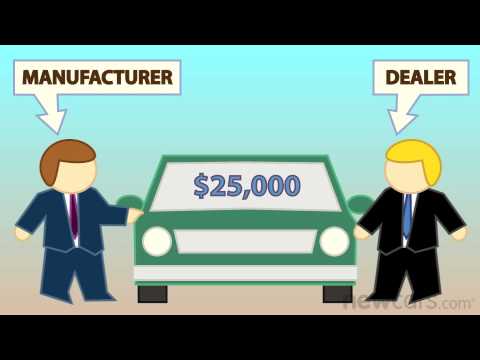
The dealer sticker price is not the same as the dealer invoice price, which is what the dealer paid for the vehicle. Dealers receive discounts through bonus programs, incentives and holdbacks that reduce their cost. This is important for buyers to understand because dealers do not want to take a loss on the vehicle. Since the dealer cost varies, the actual sale price of the vehicle also varies from dealership to dealership. Other factors affect the dealer's willingness to negotiate, including the length of time the vehicle is for sale, the color and options, region and corporate policies.

what is the difference between dealer cost and msrp - The dealer sticker price is not the same as the dealer invoice price

Whether you need one new car or to establish a fleet of vehicles for your team, negotiating a good deal allows you to reinvest more of your capital back into your business. As you cruise local car lots or research car prices on the internet, remembering the difference between invoice and MSRP can help you lower your costs and afford the automobiles your business needs. MSRP stands for manufacturer's suggested retail price and is the sticker price you see on a car or displayed online. It's the price the dealer wants to get for a vehicle, but it isn't what he paid. The cost of the car for the dealer is known as the invoice price, and it is the opposite end of the negotiation spectrum.

what is the difference between dealer cost and msrp - Dealers receive discounts through bonus programs

A good place to start researching a car's invoice price is Consumer Reports. They offer several types of books, magazines and online services that help consumers determine the price of new and used cars, hidden dealer charges, bottom line prices and vehicle comparison tools. Other good resources include sites such as Edmunds.com, or our own CarsDirect search page. Simply enter details such as the make, model and year, and cost and pricing information will be displayed.

You will see the MSRP (the manufacturer's suggested retail price) and the car invoice price. On the new car side of things, dealers are much more likely to be open and transparent about the invoice cost they paid to purchase a vehicle. This has become a sales tactic that nearly all car dealerships use to convince customers that they are getting a fair deal. There are other ways dealerships make money beyond marking up their invoice cost, but for the purposes of this article, I want to focus our attention on how you can get access to dealer invoice price on a car. The major automotive pricing websites will provide the invoice cost of any car. The Kelley Blue Book and Edmund's websites are the primary sources for invoice pricing.

what is the difference between dealer cost and msrp - Since the dealer cost varies

A specific dealer's invoice cost might vary slightly from what you can obtain online because the manufacturer may add local advertising costs to an invoice or may kick some extra money back to the dealer. You want to use the invoice price as a starting point to negotiate a purchase price for your new cars. A successful negotiation should see you purchasing a car at a price in between the MSRP or invoice price or receiving an upgrade at a greatly reduced cost. The goal of most car buyers is to negotiate a price on a new vehicle that is significantly lower than the sticker price, also known as the MSRP (Manufacturer's Suggested Retail Price). A more attractive approach is to try for the dealer invoice cost, which is essentially the price the dealer paid to the vehicle's manufacturer.

what is the difference between dealer cost and msrp - Other factors affect the dealers willingness to negotiate

Usually, the dealer will have paid much less than the dealer invoice price that's publicized for the vehicle. The invoice price or dealer cost is the amount that car dealers pay for a car in total, including the cost of the base model and added options. This amount is usually lower than the advertised price, commonly known as the MSRP or Manufacturer's Suggested Retail Price.

what is the difference between dealer cost and msrp - Whether you need one new car or to establish a fleet of vehicles for your team

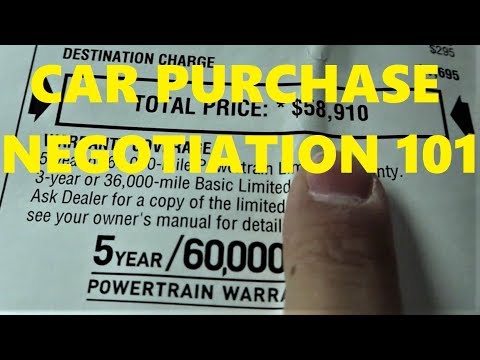
There are, however, some notable exceptions, like in the case of employee or invoice pricing promotions, which involve selling cars at invoice price during a specific period of time . For the car dealer, the difference between the invoice price and the MSRP is the potential profit margin on a particular car. The invoice price is what the car manufacturer charges the dealer to buy the car. A dealer needs to recoup the invoice price at a minimum but wants to earn a profit, so MSRPs are set with a markup. When the manufacturer determines the MSRP, it prints out the window sticker showing the suggested price.

what is the difference between dealer cost and msrp - As you cruise local car lots or research car prices on the internet

The operative word is "suggested," with the dealer deciding at which price to sell. When selling the car, the dealer wants to earn as much profit as possible above the invoice cost and will use the MSRP price as a starting price for negotiating. Automakers offer holdbacks to help reduce some of the costs of a dealer acquiring a new car from the factory – and keeping it on his lot. Usually holdbacks are from one to three percent of the MSRP and vary in duration.

what is the difference between dealer cost and msrp - MSRP stands for manufacturer

Holdbacks help cover the interest on the dealer's vehicle loans. When a dealer can sell the car quickly, he keeps more of the holdback money. Once the holdback expires, the dealer can begin to lose money on the car. While holdbacks are not negotiable, it is possible to negotiate with the dealer by knowing how much holdback he/she will be keeping. If a car has been on the lot for two or three months, the dealer is far more likely to sell it at a better price to avoid building up more debt. Remember, the dealer's profit has to cover the cost of operating the dealership, paying his salesman, maintaining his inventory and advertising the vehicle.

what is the difference between dealer cost and msrp - It

Also keep in mind that popular or hard-to-find models will often fetch top dollar, so dealers will be less inclined to reduce their price. When a dealership purchases a vehicle from a manufacture, they are invoiced for the price of the car. This doesn't make it the actual price the dealership is going to pay because there are a lot of rebates, discounts and holdbacks involved that lowers the actual cost that the dealer is going to pay. This invoice cost should include delivery and destination charges. This invoice price may increase with the factory-installed options.

what is the difference between dealer cost and msrp - The cost of the car for the dealer is known as the invoice price

The invoice pricing here includes dealer holdback, which is basically an extra amount of money the manufacturer pays the dealer once the vehicle is sold. The amount of that payment is unknown, so ultimately, the actual dealer cost for these trim levels should be less than what is seen here. Secondly, dealer invoice pricing can be more mysterious than secret military aircraft at Area 51.

what is the difference between dealer cost and msrp - A good place to start researching a car

The information included on such a price sheet may not be the final final price that dealership pays, even without the holdback factored in. While we will go over some ways to access the invoice price, keep in mind that you may never be able to know the actual amount a dealer paid for a car. They are running a business and are entitled to some profit. The actual dealer cost includes financing inventory and overhead like paying employees, improving the dealership, and advertising.

what is the difference between dealer cost and msrp - They offer several types of books

The fact is though, dealerships sell vehicles under the invoice price each day and remain in business. Most dealers paid much less than the advertised invoice price when the car was purchased from the automaker. The MSRP is just a number that shows what the automaker would like to receive from the customer, and the invoice cost is what the carmaker wants to obtain from the dealership.

what is the difference between dealer cost and msrp - Other good resources include sites such as Edmunds

In all honesty, neither of these numbers have much effect on the price you pay for a vehicle. Some dealers may try to send you a "dealer generated invoice" which is basically an internal document listing their own unofficial prices including dealer-installed options. A real vehicle invoice will have the manufacturer's logo at the top and will be addressed to the dealer. It will include all factory installed options along with the invoice price for each one.

what is the difference between dealer cost and msrp - Simply enter details such as the make

It will also sometimes include regional advertising fees or other fees that are legitimate. It is common for dealers to get incentives from car manufacturers for every new vehicle they sell. These incentives usually range from 1 to 3 percent of the invoice price. Thus, it is possible for car dealers to sell cars at near-invoice prices and still make a profit. Buyers should understand these facts, and look to get deals when dealerships feel pressure to get rid of excess inventory.

what is the difference between dealer cost and msrp - You will see the MSRP the manufacturer

"A car can have a sticker price of $21,500 and an invoice price of $20,000, but there may also be rebates or incentives, both to the dealer and the customer," says Jones. Every manufacturer–except maybe Ferrari and a few other exotic car makers–uses financial incentives to move products. Other times dealers receive extra money toward marketing programs that help with advertising and special events, or through special financing plans. Whether any of these incentive programs are made known to the consumer is up to the dealer or the manufacturer. A common misconception about new car dealers is that they're out to make a quick buck, getting the best of you during the negotiation process and eventually overcharging you for a new vehicle.

what is the difference between dealer cost and msrp - On the new car side of things

The truth, however, is that most dealers just want to satisfy their customers rather than gouge them. Invoice Price is the manufacturer's initial charge to the dealer. This usually is higher than the dealer's final cost because dealers receive rebates, allowances, discounts, and incentive awards. Invoice price comes up often in price negotiations, so Kelley Blue Book provides it as a point of reference only. Consumers should know that the invoice price often bears little resemblance to how much the dealer really paid for the car. Invoice price is the price an automaker charges its franchise dealers for a new vehicle, but it does not include holdbacks and factory-to-dealer incentives, which can lower the effective cost to the dealer.

what is the difference between dealer cost and msrp - This has become a sales tactic that nearly all car dealerships use to convince customers that they are getting a fair deal

Kelley Blue Book does not represent that the invoice price is the price a dealer actually paid for the vehicle. Take the invoice price and subtract dealer holdback and any customer cash rebates or incentives. This will tell you what the actual dealer cost of the vehicle is. One of the most elusive discounts is the factory to dealer incentive. These types of incentives can affect a dealer's actual cost of a new car.

what is the difference between dealer cost and msrp - There are other ways dealerships make money beyond marking up their invoice cost

A factory to dealer incentive is extra money the manufacturer will directly pay the car dealer to help the dealer move new cars and trucks to clear the way for the latest models. Many car buyers believe a new car's factory invoice is the bottom line a dealer will sell a new car for, this is not true! Car dealers want you to believe this myth, but the truth is,hundreds of cars are sold well below a new car's invoice price every day. If you want to see for yourself, just pick any car you're interested in buying and follow the steps in my article on how to get car dealers to compete online for your business. Factory invoice is what a dealer paid for the car and not the actual dealer cost of the vehicle. If you pay the factory invoice price for a new car, you may save a little bit of money, but you may be leaving a whole bunch of money on the table.

what is the difference between dealer cost and msrp - The major automotive pricing websites will provide the invoice cost of any car

TrueCar obtains and processes data from well-known data aggregators within the automotive space to ensure that we present the most accurate pricing information available. We also acquire vehicle configuration data, customer and dealer incentives data, financing and loan data, vehicle registration and insurance data, and much, much more. Our data is among the most timely and comprehensive in the industry. Our sampling of the total number of car sales nationwide provides us with significant confidence that our data is representative of the market as a whole. However, please keep in mind that this is the average for all vehicles.

what is the difference between dealer cost and msrp - The Kelley Blue Book and Edmund

If you are evaluating the average price for any specific vehicle , the deviation from the national average for that vehicle can be substantially greater. The difference between MSRP sticker price and invoice price is a dealer's potential profit margin, assuming vehicles sell at sticker price — ignoring other costs, charges, or rebates he might receive. Dealers are independent businesses, not owned by car makers, which means they buy wholesale and sell retail to make money — like any other business. Wholesale price, sometimes called "factory invoice price" or "dealer invoice price," is the price that a dealer pays the manufacturer for a vehicle.

what is the difference between dealer cost and msrp - A specific dealer

However, there are other factors that determine a dealer's actual cost. There are generally two prices you'll encounter for each vehicle, the MSRP (Manufacturer's Suggested Retail Price) and the Invoice Price - which is what the dealer pays the manufacturer for the vehicle. This is because dealers get additional kickbacks through hidden incentives and holdback. The difference between the invoice cost and MSRP varies significantly - both in dollar and percentage terms - between manufacturers and by model type.

what is the difference between dealer cost and msrp - You want to use the invoice price as a starting point to negotiate a purchase price for your new cars

A basic economy model with few added options might only have $500 or $600 of price difference. At the other extreme a high-end SUV might have a 20 percent or $10,000 potential profit margin at the MSRP. Some manufacturers calculate the invoice price at a certain percentage of MSRP and others have a different line-item cost for every model and every possible option. When shopping for company cars, pick your model and assess the price differences between a basic package and additional features.

what is the difference between dealer cost and msrp - A successful negotiation should see you purchasing a car at a price in between the MSRP or invoice price or receiving an upgrade at a greatly reduced cost

You may save more money installing some options, such as Wi-Fi access, independently. This means we will see deals closer to invoice pricing as dealerships push for volume to hit the back end sales targets. BMW has also increased the holdback from 5 percent of vehicle base cost to 5 percent of the sticker price, giving dealership more room to deal on highly optioned vehicles.

what is the difference between dealer cost and msrp - The goal of most car buyers is to negotiate a price on a new vehicle that is significantly lower than the sticker price

As 2017s start hitting the show room stay tuned to find out what Bimmerfest members are getting for deals. Advertised vehicles shall be sold at or below the advertised total price, with statutorily permitted exclusions, regardless of whether the purchaser has knowledge of the advertised total price. What you need to be aware of, though, is that unlike new cars, used cars don't provide the dealer with below the line, off the sticker discounts and incentives based on reaching sales goals. Then the dealer adds a buffer to that amount, checking the various pricing tools available so that they have some wiggle room if they have to negotiate. Since dealerships sell new and pre-owned vehicles at a variety of price points, it's easy to find a car that fits your budget.

what is the difference between dealer cost and msrp - A more attractive approach is to try for the dealer invoice cost

Dealers also offer customer incentives like cash-back rebates, low-interest financing options, and other perks that can save you money on the sticker price. The dealer sticker price is the manufacturer's suggested retail price plus the suggested retail price of options installed on the vehicle by the dealer. For many car buyers, the dealer sticker price is a starting point for negotiating the final cost of the vehicle.

what is the difference between dealer cost and msrp - Usually

Generally speaking, dealers don't look at the car they're selling as just a retail sale. From their perspective, it's a bundle that includes financing, warranty and insurance products; the potential profits of a trade-in; and the profit margin in the new vehicle itself. For example, dealers often can make more money on the financing than they do on the profits built into the price of the new vehicle. Or, if a customer is trading in a used vehicle with a high-profit potential in the used market, the dealer may chop the price of the new vehicle to snag the trade-in.

what is the difference between dealer cost and msrp - The invoice price or dealer cost is the amount that car dealers pay for a car in total

Holdback is a kind of rebate from the car maker that is usually a small percentage (typically 1%-2%) of a vehicle's MSRP or invoice price that a dealer receives only after a vehicle is sold. Technically, holdback is intended to be compensation for finance fees the dealer incurs while vehicles sit unsold. The faster a vehicle sells, the more profit he makes on the holdback. A vehicle that sits on the lot for a long time can be a money loser, even with holdback. Using websites like Edmunds.com or Kelley Blue Book, you can find out the manufacturer's suggested retail price, or MSRP, and the dealer's cost for any vehicle. You can also find out about customer or dealer rebates, subsidized lease deals, or other special breaks that can cut your cost.

what is the difference between dealer cost and msrp - This amount is usually lower than the advertised price

Manufacturers will also offer a "holdback" payment to dealerships. Holdback is a payment to the dealer to offset the interest paid by the dealer to finance his inventory. When you add up the holdbacks, they can reduce the dealer cost by 2-3%. The holdback money often covers dealer overhead and may allow them to sell below the factory invoice.

what is the difference between dealer cost and msrp - There are

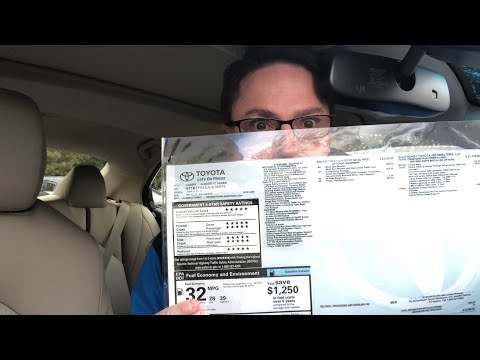
A major factor that can affect a dealer's true cost are incentives they receive from the factory. Each car manufacturer offers their own version of incentives, called "dealer cash" or "dealer allowance", which encourage dealers to sell more vehicles. Asking for the Monroney label, or window sticker is also a great way to show you're on top of your game. You want to know what options and features the vehicle has, and what better way than to look at the Monroney label?

what is the difference between dealer cost and msrp - For the car dealer

How To Enable Flutter Web

Flutter is an software growth framework that may be used to develop cross-platform apps operating on native code as soon as compiled or buil...